The Myth of the Perfect Seafood Pairing
Seafood pairing need not follow a fixed tradition: choose sides by texture and contrast to make a fish supper feel balanced, generous and distinctly yours.
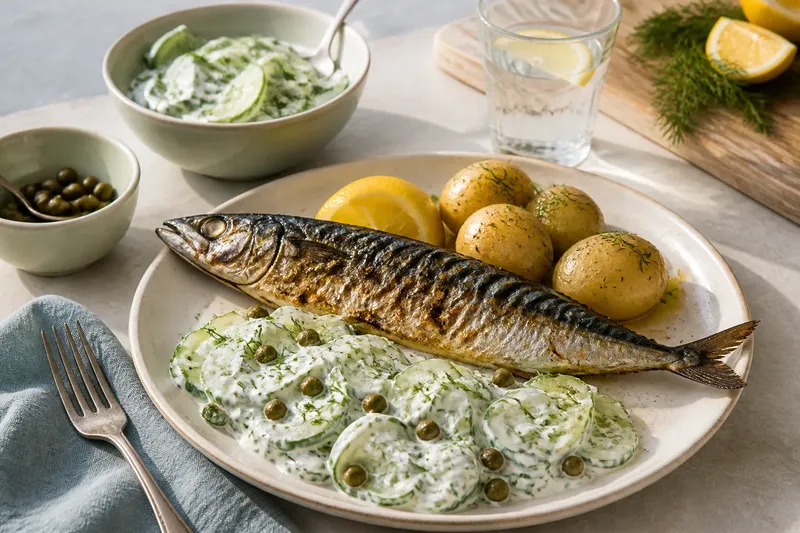
The grilled mackerel is ready, the potatoes are steaming, and someone asks whether the supper needs a sharp, traditional sauce. Seafood pairing can seem to demand a proper answer: lemon with fish, perhaps, or a familiar combination remembered from a restaurant. But the plate is not a test of tradition. A better starting point is to notice what the fish already brings, then decide what the rest of the meal should add.
That means thinking less about matching a species to a prescribed partner and more about texture, richness, acidity, temperature and the way people will eat. The aim is not to disguise seafood or make every bite conform. It is to give the meal a pleasing rhythm, with each element having room to be itself.
Pairing without rules
Old combinations persist for good reasons. Lemon cuts through oily fish; parsley suits many simple fish dishes; potatoes make a steady companion to a delicate fillet. These are useful starting points, not laws. A pairing becomes unhelpful when the familiar answer is chosen before anyone considers the actual dish.
Species alone cannot settle the question. A piece of cod served with crisp crumbs has a different character from poached cod with a soft sauce. Smoked mackerel is more assertive than a plain grilled fillet. Cooking method, seasoning and serving temperature all affect what the plate needs.
Instead of asking, “What goes with this fish?”, ask what is already happening on the plate. Is it rich, soft, smoky, crisp, salty or gently flavoured? Then choose one or two accompaniments that offer a useful contrast, or deliberately extend a quality you enjoy. A sweet, mellow side can sit comfortably beside something briny; it does not have to oppose it.
Read the plate
Texture is often the clearest place to begin. A soft fish and a soft mash can make a comforting meal, but if the whole plate is yielding, a crisp element may bring definition. Cucumber, shredded cabbage, crisp toast or a handful of toasted breadcrumbs can provide that change. The point is not to add crunch for its own sake; it is to notice whether the meal needs a different bite.
Contrast can also come from temperature. Warm fish with a cool herb salad feels distinct from fish served over warm lentils. Neither is inherently more correct. Temperature matters because it changes the pace of eating and the impression of richness. A cool, crisp side can make a warm, oily fish feel less heavy without requiring a complicated sauce.
Flavour contrast is just as flexible. Acidity from pickled onions, cider vinegar or a squeeze of citrus can brighten a rich preparation. A mild white fish may benefit from a more fragrant companion, such as dill, spring onion or a relish with capers. Salt, sweetness and bitterness can all play a part, but a plate does not need every note at once.
A supper takes shape
Say you are planning an invented, hypothetical supper around grilled mackerel for two. You have boiled new potatoes, a cucumber, plain yoghurt, dill, a jar of capers and a lemon. Rather than automatically making a lemon-and-butter sauce, pause over the fish’s likely character: it is oily, savoury and served warm. The potatoes are soft and mild. The meal has richness and softness, but little freshness or crispness.
You slice the cucumber thinly and toss it with yoghurt, chopped dill, a few capers and a small squeeze of lemon. You leave the potatoes simply dressed, perhaps with a little butter and salt. The result is an expected balance: tender potatoes and fish, with cool cucumber, tangy yoghurt and occasional salty bursts from the capers. The accompaniment has not attempted to make mackerel taste like something else. It has given each bite a different texture and lifted the overall impression.
Now imagine the starting point changes. The fish is smoked rather than grilled, and its flavour is already intense. The same yoghurt mixture may still be useful, but the capers could be unnecessary because both they and the fish bring a strong salty note. A lightly dressed cabbage salad might offer crunch and freshness instead. The lesson is not to memorise a mackerel pairing. It is to adjust the side to the preparation in front of you.
There is no need to transform this into a project. It is not worth buying a string of special ingredients or making three sauces to prove a meal is considered. One clear contrast is often enough. If the fish, side and sauce all have strong flavours, the plate can become busy rather than balanced.
Choose the kind of contrast
A useful choice comes from identifying the quality you most want to offset. Then select a modest accompaniment that does that job:
- Richness: add acidity with lemon, vinegar, pickled vegetables or a sharp tomato relish.
- Softness: add crunch with cabbage, radish, crisp toast or toasted seeds.
- Delicacy: add a fragrant accent, such as herbs, spring onion or a gently spiced dressing.
- Smokiness: add cool, clean flavours such as cucumber, yoghurt or a simple leaf salad.
- Saltiness: favour mild, fresh elements rather than piling on olives, capers or salty cheese.
These are prompts, not a formula. A rich fish can work with rich accompaniments if the meal is meant to be hearty. A crisp element can be distracting beside a delicate preparation if it overwhelms the fish. The useful question is whether the combination feels intentional to the people at the table, not whether it follows a universal chart.
Let place have a say
Coastal foodways offer more than one answer because people cook with what is familiar, available and suited to their habits. A bowl of beans, a piece of bread, a pile of greens or a sharp pickle may be as natural beside seafood as a named sauce. Local ingredients matter, but they need not be treated as ceremonial. A handful of seasonal herbs from the market can be enough to connect a meal to its surroundings.
There is also room for personal preference. Some diners want lemon on nearly everything; others prefer the savoury depth of browned butter or the clean bite of vinegar. If serving a group, put a simple accent on the side rather than dressing the entire dish heavily. Lemon wedges, chopped herbs or a small bowl of relish let people adjust their own plates without making the cook prepare separate meals.
When ingredients or preparation are unfamiliar, follow the fish seller’s storage and cooking advice, and check product labels where they matter. For everyday pairing, though, the more useful judgement is sensory: taste a small bite with the side and see whether it brings clarity, comfort or a new texture.
Questions at the table?
Does seafood always need lemon?
No. Lemon is a convenient source of acidity, but cider vinegar, pickled vegetables or a tangy yoghurt dressing can serve a similar balancing role. If the fish or sauce is already sharp, more citrus may be unnecessary.
What goes with oily fish?
Oily fish often welcomes something fresh, crisp or acidic, such as cucumber, cabbage, herbs or a bright relish. The right choice depends on its seasoning and cooking method, so treat those qualities as clues rather than rules.
Can fish be served with rich sides?
Yes. Creamy potatoes, buttered beans or a rich sauce can make a satisfying meal with seafood. Consider adding a fresh or tart accent if the plate feels heavy, rather than removing every rich element.
How do I pair seafood for a group?
Keep the main dish simply seasoned and offer one or two adjustable accompaniments, such as herbs, lemon and a crunchy salad. This gives diners room to choose without asking the cook to guess everyone’s preferred combination.
Keep the decision human
Seafood pairing is most useful as a way of paying attention, not as a list of approved matches. Look at the fish, the cooking method and the other food already planned. Decide whether the plate would benefit from freshness, crunch, fragrance or a softer companion, and choose ingredients that are already at hand.
The imagined mackerel supper did not need a signature sauce. It needed a cool, tangy counterpoint to warm, oily fish and soft potatoes. The next seafood meal may call for something entirely different. That freedom is part of coastal cooking: a tradition can offer a starting place, while the plate in front of you makes the final decision.